
Beats and Hits in Your Closet: The Black Legacy Behind 2000s Fashion
Graphic by Claudia Johnson
We can all agree that the 2000s were one of the most iconic fashion eras. It was the time of low-rise jeans, glossy lips, oversized hoops, metallic fabrics and butterfly clips. We felt like divas and in many ways, we were learning how to be.
But have we ever stopped to consider where that inspiration really came from?
Before Instagram, before TikTok, before influencers curated our feeds, our runway was MTV. Music videos were the modern fashion magazines. And at the center of that cultural moment were Black women redefining style, confidence and power.
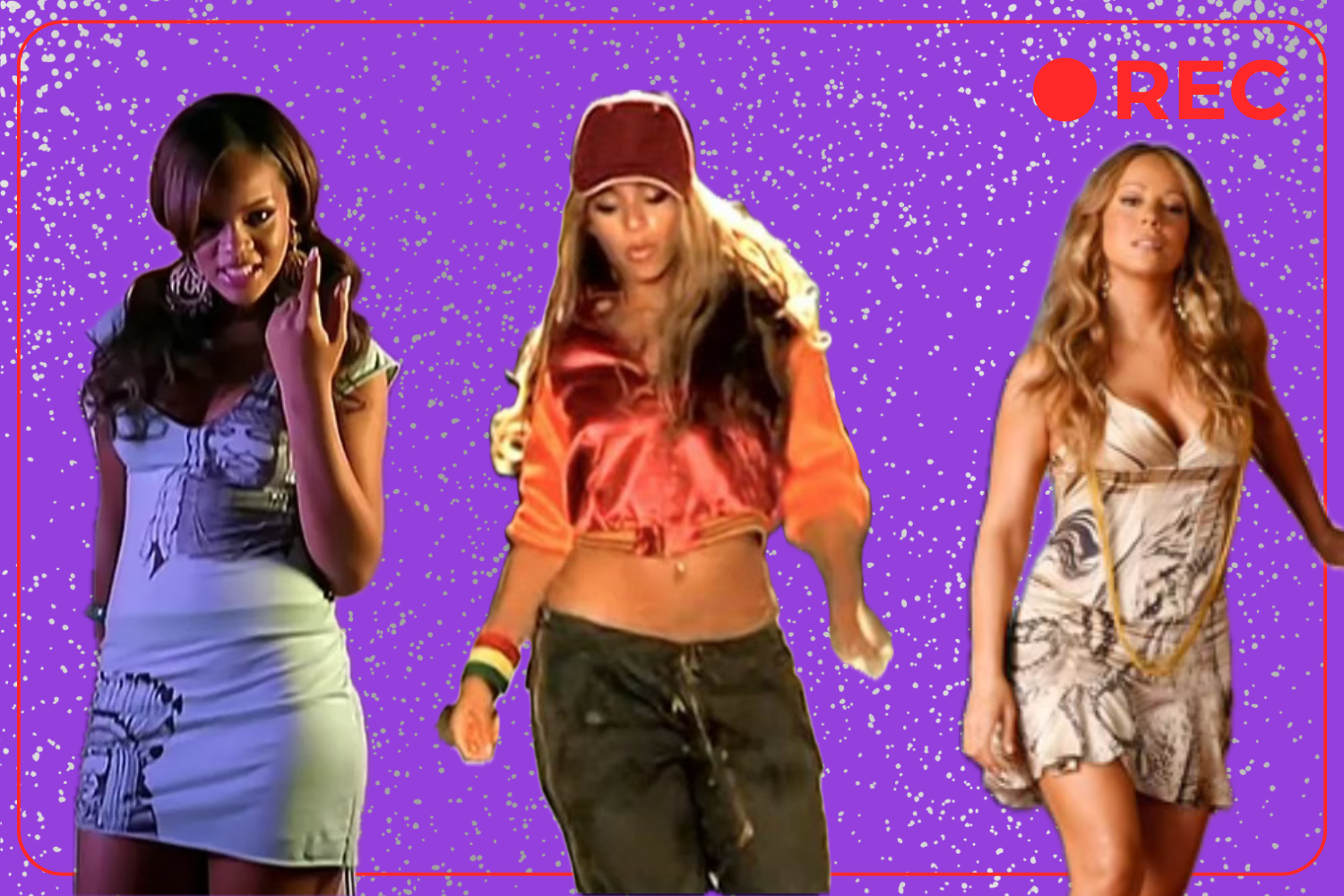
Artists like Beyoncé, Rihanna, Mariah Carey and Ciara didn’t just release chart-topping hits, they shaped global fashion culture. Their music videos were visual statements. They celebrated different skin tones, hair textures, body types and aesthetics with no fear. Creativity wasn’t about fitting into what was “usual;” it was about standing out, being bold and authentic.
When Rihanna released “Umbrella” and “Rude Boy,” latex, bold silhouettes and Caribbean-inspired streetwear became symbols of fearless femininity. When Beyoncé walked confidently in “Crazy in Love,” crop tops, heels and denim became more than clothes, they became armor. Mariah Carey’s “Heartbreaker” and “Honey” delivered glam, softness, drama and sparkle. Ciara brought athletic sensuality and futuristic edge.
Each woman carried a distinct aesthetic, and together they expanded what beauty and power could look like.
For young Black girls growing up in the 2000s, this representation mattered deeply. Seeing women who looked like us dominating the screens worldwide allowed us to claim our roots. We saw that our features were not trends; they were remarkable history.
This is why revisiting 2000s fashion today feels bigger than nostalgia.
The comeback of low-rise jeans, shiny gloss, statement hoops, braids and bold makeup isn’t just a recycled trend. It is a reminder of who created the blueprint, our mark. Black creativity has long driven mainstream aesthetics, often without proper recognition.
During Black History Month, we often focus on political leaders and activists, as we should, but cultural architects deserve acknowledgment, too. Stylists like Ty Hunter and June Ambrose were responsible for many iconic outfits we recreate nowadays.
The 2000s were not just an era of catchy hooks and iconic dance moves. They were a moment when Black women shaped the visual language of confidence for an entire generation. Black artists turned music videos into spaces of liberation. They showed us that femininity could be bold, sexy, playful, athletic, glamorous and still powerful.
Today, as we bring those styles back into our closets, we are not just revisiting a trend. We are honoring a legacy.
We evolve not by erasing the past, but by building on it. The 2000s were not just a fashion era, they were a chapter in a larger story of Black creativity shaping the world.y empowering a generation, we continue to honor those styles today, carrying with us the power, confidence and vision that Black women have always embodied. Our evolution lives in our style, our music and most importantly, in the stories we continue to tell.